
Landmarks and Leisure Near Phoenix, AZ 85016
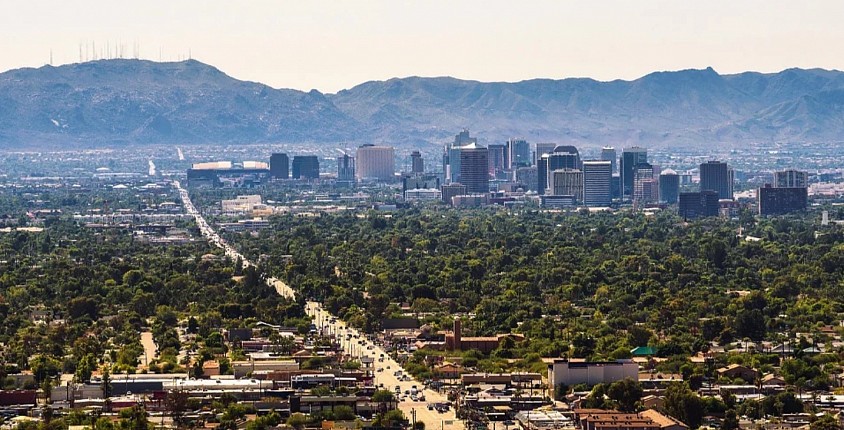
Anchored by palm-lined boulevards and the shadow of the Phoenix Mountains Preserve, the area surrounding Phoenix, AZ 85016 blends storied architecture, desert ecology, and cultural institutions in enviable proximity. From hillside mansions to canal-side parks, and from world-class museums to sculpted botanical trails, the neighborhood provides a vivid cross-section of the Valley’s character. The following guide explores a curated selection of notable places that reward curiosity, encourage unhurried wandering, and invite repeat visits as seasons change.
Arizona Biltmore: Iconic Design and Gardened Grounds
A short drive from Camelback Road, the Arizona Biltmore unfurls with geometric “Biltmore blocks,” copper accents, and manicured lawns that soften the desert palette. Its architecture draws from Frank Lloyd Wright’s principles, channeling pattern, light, and texture in a way that feels both monumental and hospitable. Stroll the pathways at dusk when temperatures cool. Reflecting pools mirror palm fronds. Bougainvillea spills in bright cascades. Even without checking in, the grounds are enthralling—particularly the historic cottages, discreet courtyards, and the verdant Biltmore Golf Club edges that frame Camelback Mountain in the near distance.
Wrigley Mansion: Panoramic Vistas and Prohibition-Era Lore
Perched on a hill above the Biltmore district, Wrigley Mansion pairs 1930s elegance with cinematic views of Phoenix’s skyline. Built by the chewing-gum magnate, the residence is a study in Mediterranean Revival style—arched windows, terracotta hues, and ornate banisters. Tours offer historical context as you move from sunlit salons to intimate stairwells and balconies. The vantage points are extraordinary. Afternoon light gilds the valley. Towers and palms prickle the horizon. Architecture and atmosphere mingle here, creating a setting that feels both grand and surprisingly intimate.
Piestewa Peak: Summit Trails and Sonoran Biodiversity
North of the Biltmore corridor, Piestewa Peak rises like a serrated crown. The Summit Trail tests the calves, yet rewards with a sweeping panorama of downtown Phoenix, Camelback Mountain, and far-off desert ridgelines. Early mornings prove ideal—cooler air, quiet trails, and amber light glancing off granite. For a gentler outing, the Nature and Freedom trails weave through creosote, brittlebush, and palo verde, revealing how hardy native flora flourishes on stony slopes. Watch for Gila woodpeckers skittering along saguaros and the playful dart of desert cottontails at the trailhead margins.
Desert Botanical Garden: Sculpted Paths and Living Sculpture
In Papago Park, the Desert Botanical Garden assembles the world’s desert plants into living galleries—towering cardóns, sinuous agaves, and luminous spring wildflowers in good rainfall years. Pathways meander through themed exhibits that emphasize conservation and design. Seasonal installations add whimsy, while night programs showcase the garden under lantern glow and starlight. Educational signage offers concise insights without overwhelming the sense of wonder. Bring a camera. The interplay between angular cacti, crimson cholla blooms, and the burnished backdrop of buttes is mesmerizing.
Heard Museum: Indigenous Narratives and Contemporary Artistry
Closer to Midtown yet convenient from 85016, the Heard Museum amplifies the voices and creativity of Native American communities across the Southwest. Galleries balance historical artifacts—finely woven baskets, kachina dolls, and silverwork—with contemporary pieces that interrogate identity, resilience, and modernity. The sculpture gardens, quietly shaded, invite reflection. Rotating exhibitions frequently highlight emerging artists alongside established luminaries. Plan time for the museum shop as well; it’s a thoughtful continuation of the curatorial lens, featuring works by Indigenous artisans with provenance and context.
Japanese Friendship Garden (RoHoEn): Water, Stone, and Stillness
Just west of the central corridor, RoHoEn offers a contemplative counterpoint to the Sonoran aesthetic. Curated in collaboration with Phoenix’s sister city of Himeji, the garden layers stone arrangements, a koi-filled pond, and pruned pines into tranquil symmetry. Footbridges arc over reflective water. Tea garden components suggest ceremony and restraint. Visit on a breezy afternoon. Leaves whisper. Water murmurs against boulders. The setting recalibrates the senses, inviting slower breathing and unhurried observation.
Granada Park and the Arizona Canal Path: Casual Miles and Mountain Silhouettes
Within easy reach of the Camelback corridor, Granada Park links neighborhood streets to open sky. Lakes attract herons and the occasional egret. Picnic tables face Piestewa Peak—an inspiring posture for post-lunch daydreams. From here, the Arizona Canal Path unfurls in both directions, creating safe, flat mileage for cyclists, strollers, and runners. Sunset along the canal is a quiet spectacle. The water turns copper. Shadows lengthen. Date palms etch filigree against the pastel sky.
Papago’s Hole-in-the-Rock: Geological Window and Golden Hour
Papago Park’s red sandstone buttes are photogenic from nearly every angle, but Hole-in-the-Rock delivers something singular. A brief, moderate climb leads to a naturally formed aperture framing the city beyond. Arrive in the late afternoon when the stone glows and the valley softens into honeyed tones. Families, photographers, and casual trekkers congregate here with good reason. It’s a scenic reward requiring minimal effort, yet the view feels expansive and celebratory.
Phoenix Art Museum: Curatorial Range and Vibrant Programming
Southwest of the Biltmore area, the Phoenix Art Museum balances global collections with adventurous contemporary works. From Renaissance canvases to Latin American photography and immersive installations, the museum keeps its galleries fresh through rotating exhibitions and community collaborations. Quiet rooms allow for concentrated looking. Event programming—talks, films, and performances—enlivens evenings. Pair a visit with a stroll through the nearby Roosevelt Row arts district for murals, studios, and lively cafés.
Visitor Notes
- Arrive early for popular hikes to secure parking and enjoy cooler temperatures.
- Hydration matters year-round; bring more water than you think you’ll need.
- Wear sun protection—wide-brim hats, SPF, and breathable layers are essential.
- Check museum and garden calendars for rotating exhibits and seasonal events.
- Consider rideshares for hillside venues with limited parking availability.
Within minutes of Phoenix, AZ 85016, the landscape shifts from architectural grandeur to canyon trails, from meditative gardens to vibrant galleries. Each site offers a distinct mood—festive, contemplative, invigorating. Together, they form a richly textured itinerary that rewards spontaneity and thoughtful planning alike. Return across seasons. Revisit at sunrise, at twilight, after a monsoon storm. These places reveal new facets with each pass, deepening a connection to the city’s intricate desert tapestry.
Landmarks and Landscapes near Phoenix, AZ 85016
The Biltmore Corridor: Elegance Framed by Desert Light
Anchored by palm-lined avenues and refined architecture, the Biltmore corridor offers a striking blend of leisure and legacy. Along East Camelback Road, lush courtyards, manicured lawns, and shaded walkways soften the Sonoran sun. Cafés open to terraces. Courtyards hum with quiet conversation. At Biltmore Fashion Park, open-air promenades and sculptural desert flora create a leisurely rhythm for browsing, people-watching, and seasonal events. The surrounding Arcadia and Camelback East neighborhoods bring a village-like sensibility, with citrus-lined streets and mid-century homes that nod to the city’s architectural heritage. Sunset pours amber light over the skyline, casting long shadows and a sense of calm that feels distinctly Phoenix.
Architectural Landmarks: Wrigley Mansion and the Arizona Biltmore
Perched above the city’s undulating terrain, Wrigley Mansion commands panoramic views and an aura of historic grandeur. Built in the early 1930s, its Mediterranean Revival details—arched windows, terracotta roofs, and ornate stairways—evoke a storied era of craftsmanship. Visitation pairs refinement with curiosity: guided tours illuminate anecdotes of design, parties, and the eccentricities of a bygone age. Just down the way, the Arizona Biltmore stands as an American original, interlacing Prairie School sensibilities with desert textures. Its geometric “Biltmore blocks,” inspired by botanical motifs, seem to ripple as daylight shifts. Whether wandering the grounds, admiring the gardens, or catching a golden-hour glow by the fountains, these properties reveal how architecture can sync with climate, material, and mood.
Mountain Trails within Minutes: Piestewa Peak and Camelback
Within a short drive, steep desert trails rise toward serrated ridgelines. Piestewa Peak offers a stair-stepping ascent of quartzite rock, dotted with barrel cactus, brittlebush, and the occasional swooping hawk. The summit panorama feels cinematic: downtown’s towers, the Phoenix Mountains Preserve, and distant buttes framed by a vast sky. Camelback Mountain’s Echo Canyon trail is more rugged, rewarding early risers with incandescent dawns and cool breezes. Even the more moderate Cholla approach delivers grandeur—saguaro sentinels, sculpted sandstone, and vistas extending to the Superstitions on clear days. Bring water. Wear traction-ready shoes. The desert is beautiful and demanding; its trails cultivate both vigor and reverence.
Desert Culture and Art: Heard Museum and Phoenix Art Museum
The Heard Museum, a cornerstone of Indigenous art and history, presents masterworks of weaving, katsina carvings, jewelry, and contemporary expression. Exhibitions deepen understanding of tribal narratives while honoring living artists who innovate within tradition. Just to the west, the Phoenix Art Museum curates a global lens—American landscapes, Latin American modernism, fashion design, and immersive contemporary installations. Together, these institutions form a cultural dyad: one rooted in place and people, the other reaching across continents and centuries. A day spent between them unfolds as a dialogue—craft to concept, memory to invention.
Oasis Parks and Urban Gardens: Steele Indian School Park and the Japanese Friendship Garden
Steele Indian School Park stretches across historic grounds, its lakes reflecting migratory birds and drifting clouds. Wide lawns invite picnics and spontaneous games, while preserved structures whisper of complex history and renewal. Farther south, the Japanese Friendship Garden—RoHoEn—offers contemplative calm. Waterfalls murmur. Koi ripple beneath arched bridges. Black pines and seasonal blooms shape an elegant cadence that changes with the light. In a desert city, these oases recalibrate the senses—cool shade, moving water, and a tranquility that lingers long after departure.
Ancient Footprints: S’edav Va’aki Museum and Papago Park
At the S’edav Va’aki Museum, the Hohokam story emerges in adobe profiles, pottery shards, and canal engineering that once transformed arid ground into fertile fields. Outdoor trails pass interpretive displays, connecting visitors with the ingenuity of early inhabitants who read the land and learned its rhythms. Nearby, Papago Park’s red sandstone buttes glow at sunrise and dusk. The iconic Hole-in-the-Rock frames a window onto city and sky, while easy paths weave among creosote and cholla. It’s geology and prehistory in concert, accessible yet profound.
Canal Pathways and Culinary Scenes: The Arizona Canal and Camelback East
Tracing a historic lifeline, the Arizona Canal threads through neighborhoods and commerce. Cyclists glide past murals and desert landscaping. Runners pace beneath cottonwood canopies and the steady arc of pedestrian bridges. As evening falls, patios across Camelback East illuminate. Menus showcase Sonoran ingredients—mesquite, citrus, chiltepin heat—reinterpreted with seasonal nuance. The area’s eateries mingle conviviality with craft, transforming the canal corridor into a social spine.
Selected Places at a Glance
- Wrigley Mansion: Elevated dining rooms, historical tours, and sweeping desert views.
- Arizona Biltmore: Iconic architecture, garden promenades, and an atmosphere of enduring elegance.
- Piestewa Peak: Vigorous hiking, quartzite outcrops, and skyline-spanning vistas.
- Camelback Mountain: Rugged ascents, dawn light shows, and sandstone drama.
- Heard Museum: Indigenous artistry, storytelling, and meaningful cultural exchange.
- Phoenix Art Museum: Broad collections, rotating exhibitions, and contemplative galleries.
- Steele Indian School Park: Lakeside paths, open green space, and reflective heritage.
- Japanese Friendship Garden: Water, stone, and foliage arranged for meditative harmony.
- S’edav Va’aki Museum: Archaeological insight into ancestral engineering and daily life.
- Papago Park: Red rock silhouettes, family-friendly trails, and an unforgettable natural amphitheater.
- Biltmore Fashion Park: Open-air promenades, courtyards, and a relaxed retail ambiance.
- Arizona Canal Trail: Cycling routes, riverine breezes, and connective urban scenery.
Practical Notes for an Unhurried Day
Begin early to catch the cooler hours on the trails. Pause midday for museum immersion and a shaded lunch near the canal. Conclude with a twilight walk through the Biltmore grounds, where lanterns and agave cast sculptural shadows. The district surrounding Phoenix, AZ 85016 rewards an attentive pace. Landmarks, landscapes, and layered histories sit remarkably close together—an urban mosaic shaped by water, stone, artistry, and time.